
In the north of Zulia, facing the Gulf of Venezuela, Quisiro was for years a weekend destination.
Whole families came to its shore in search of the sea: colorful awnings, children running and splashing, music that lingered until sunset. It was a beach for rest and reunion, its summer houses filling up every Saturday and bidding farewell every Sunday with the promise of return.
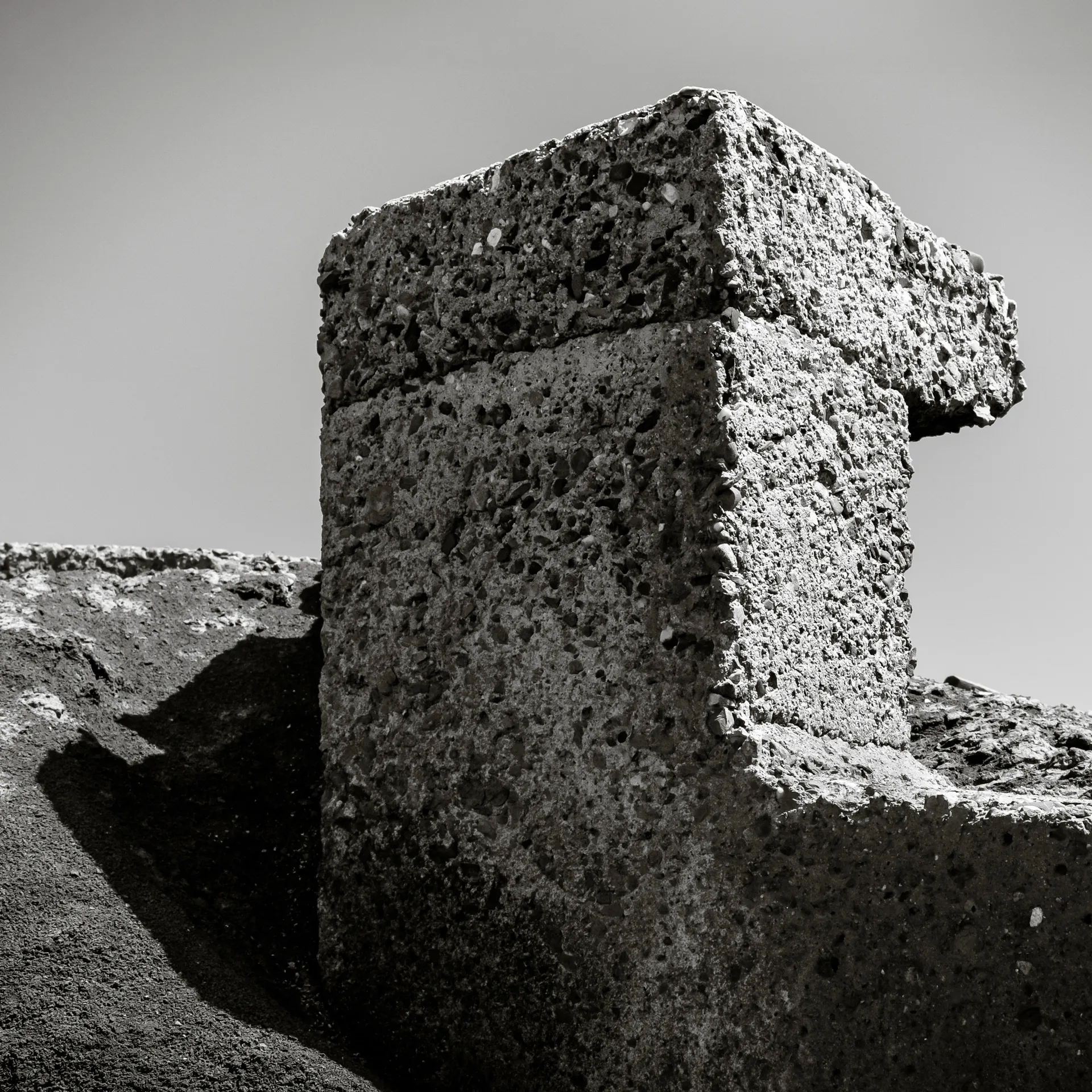
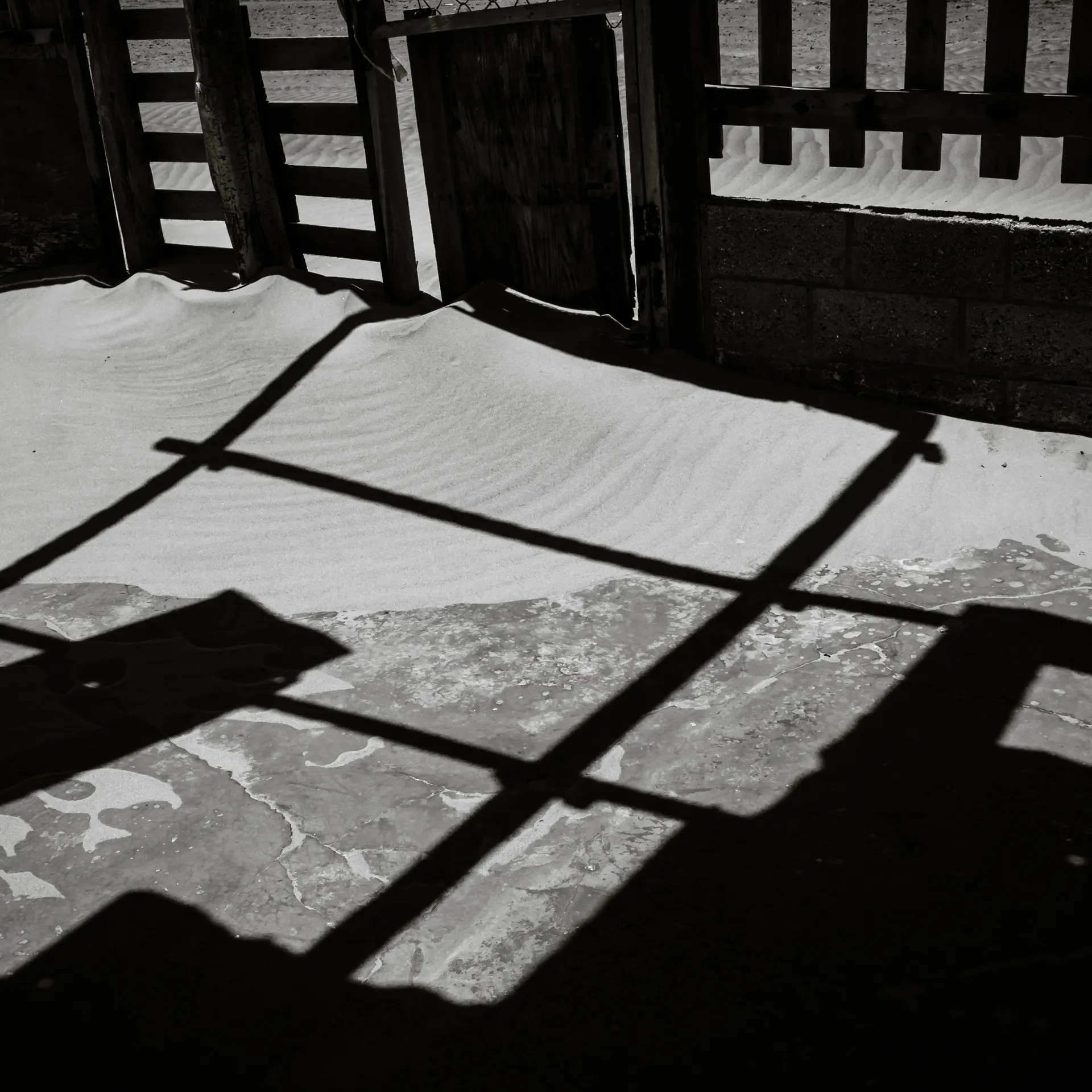
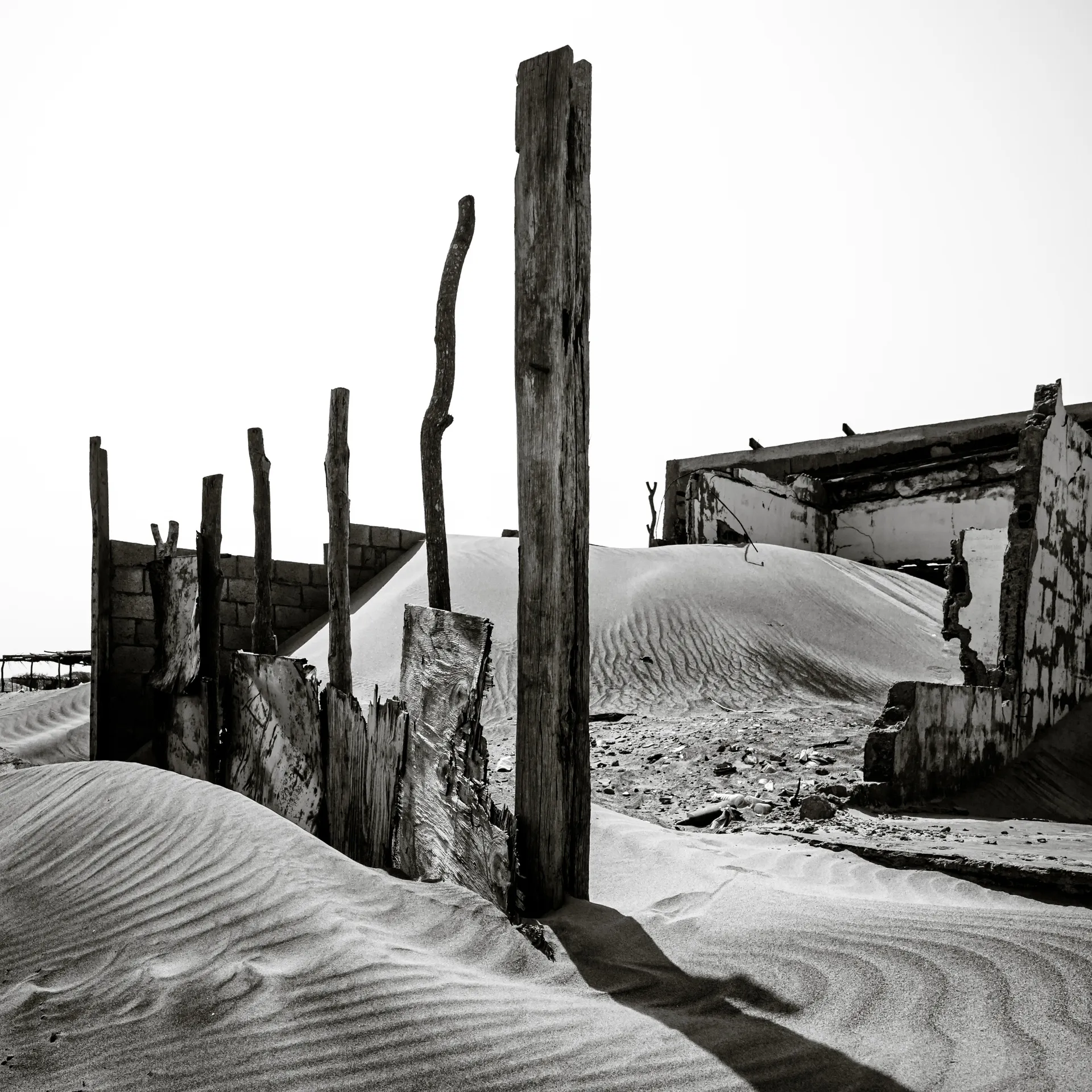
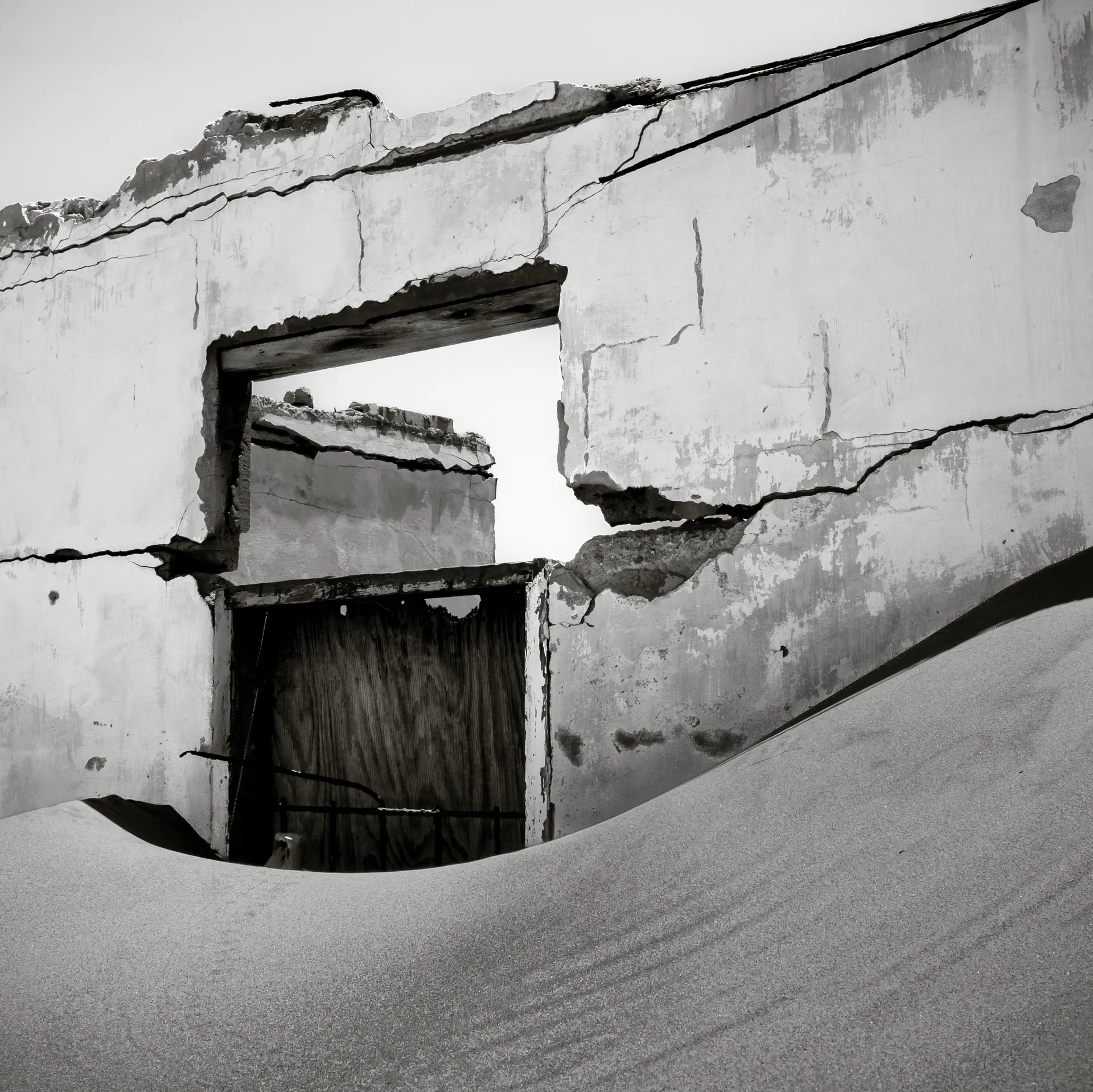
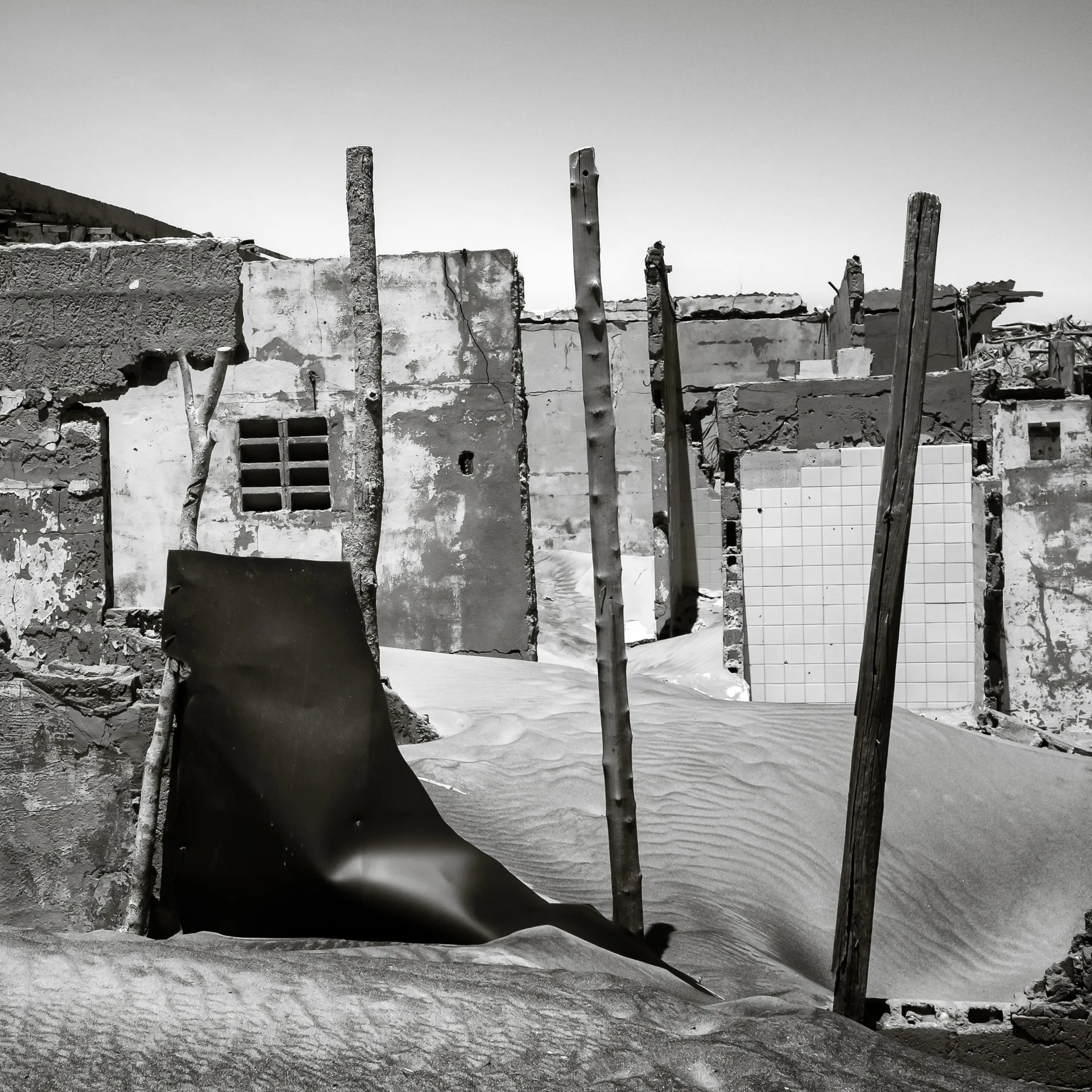
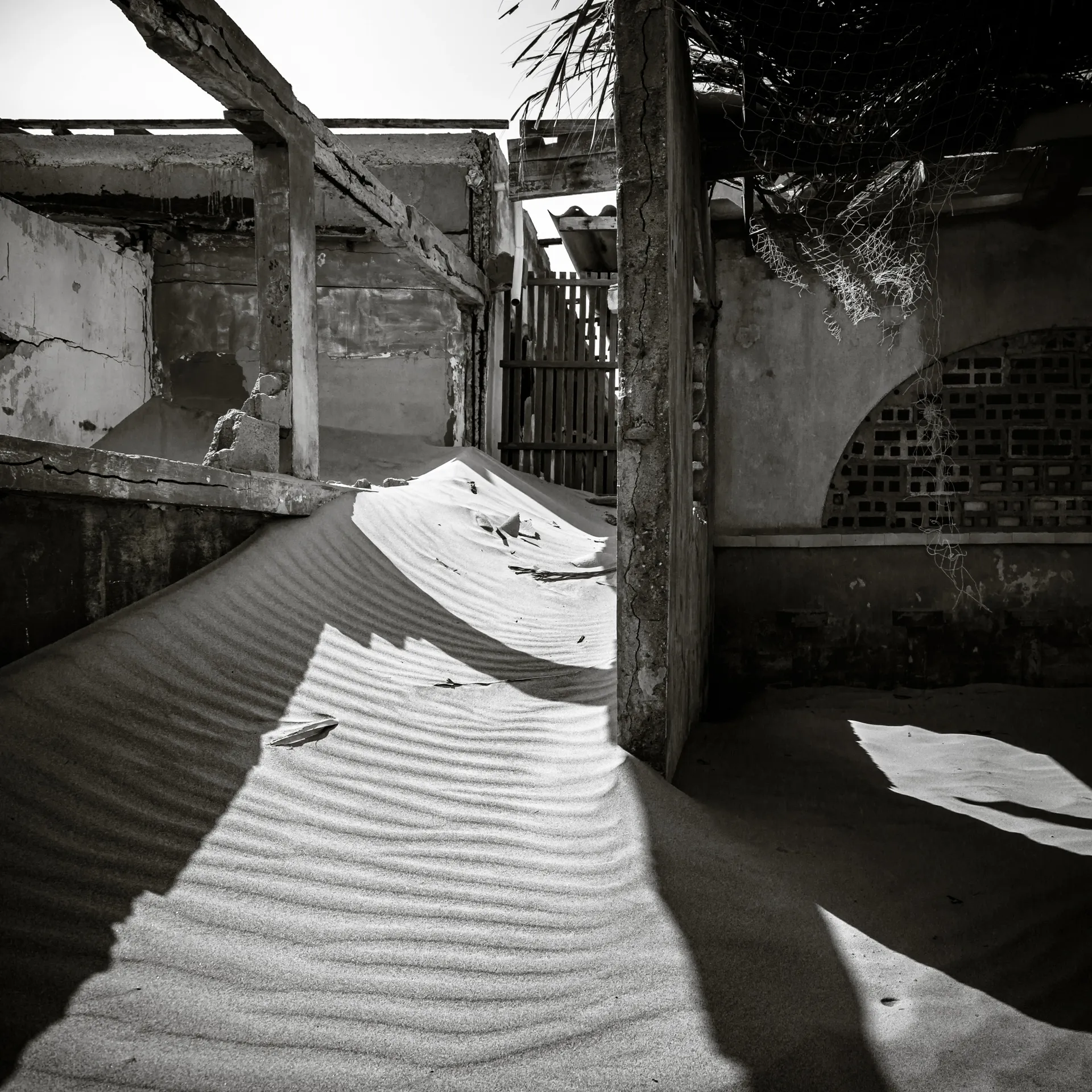
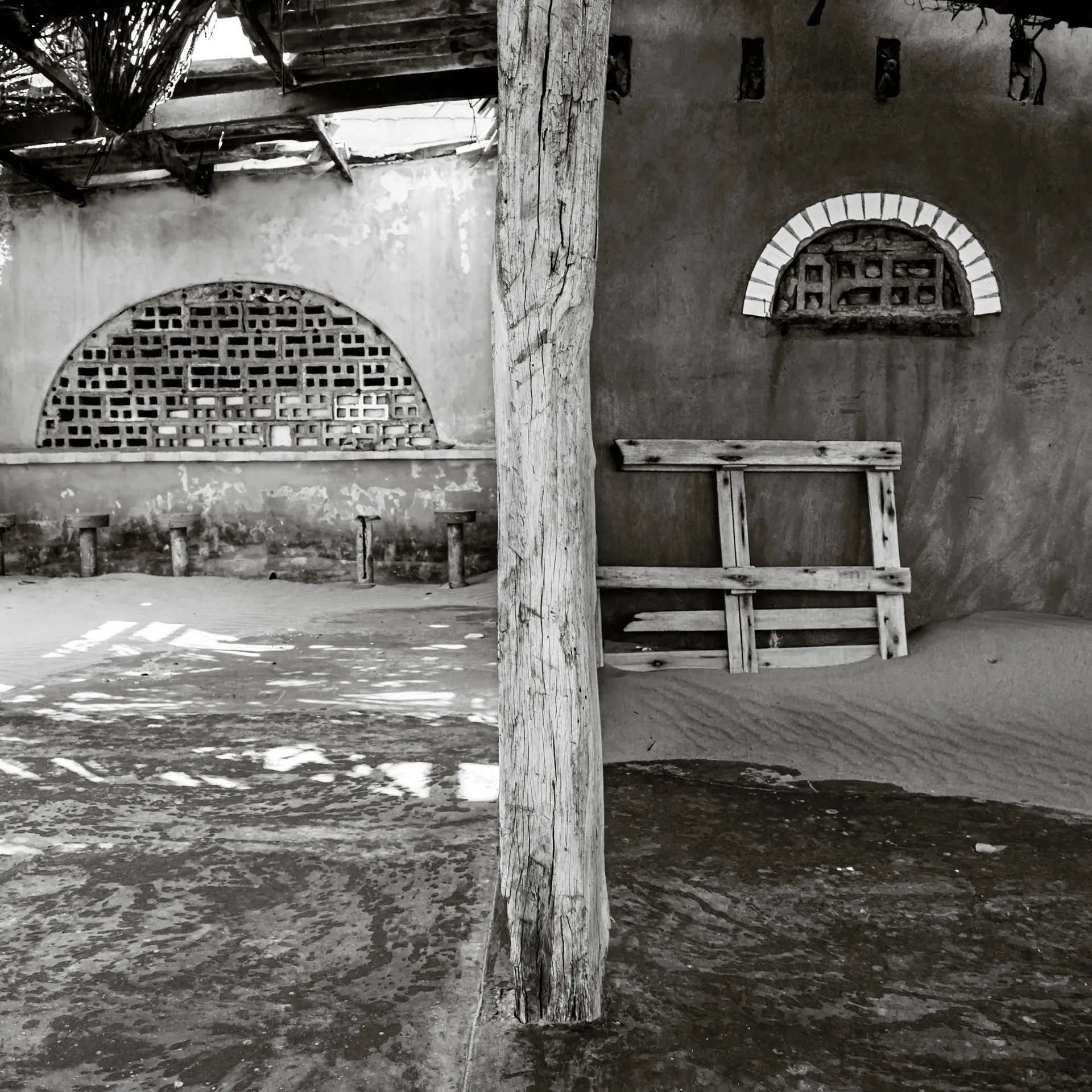
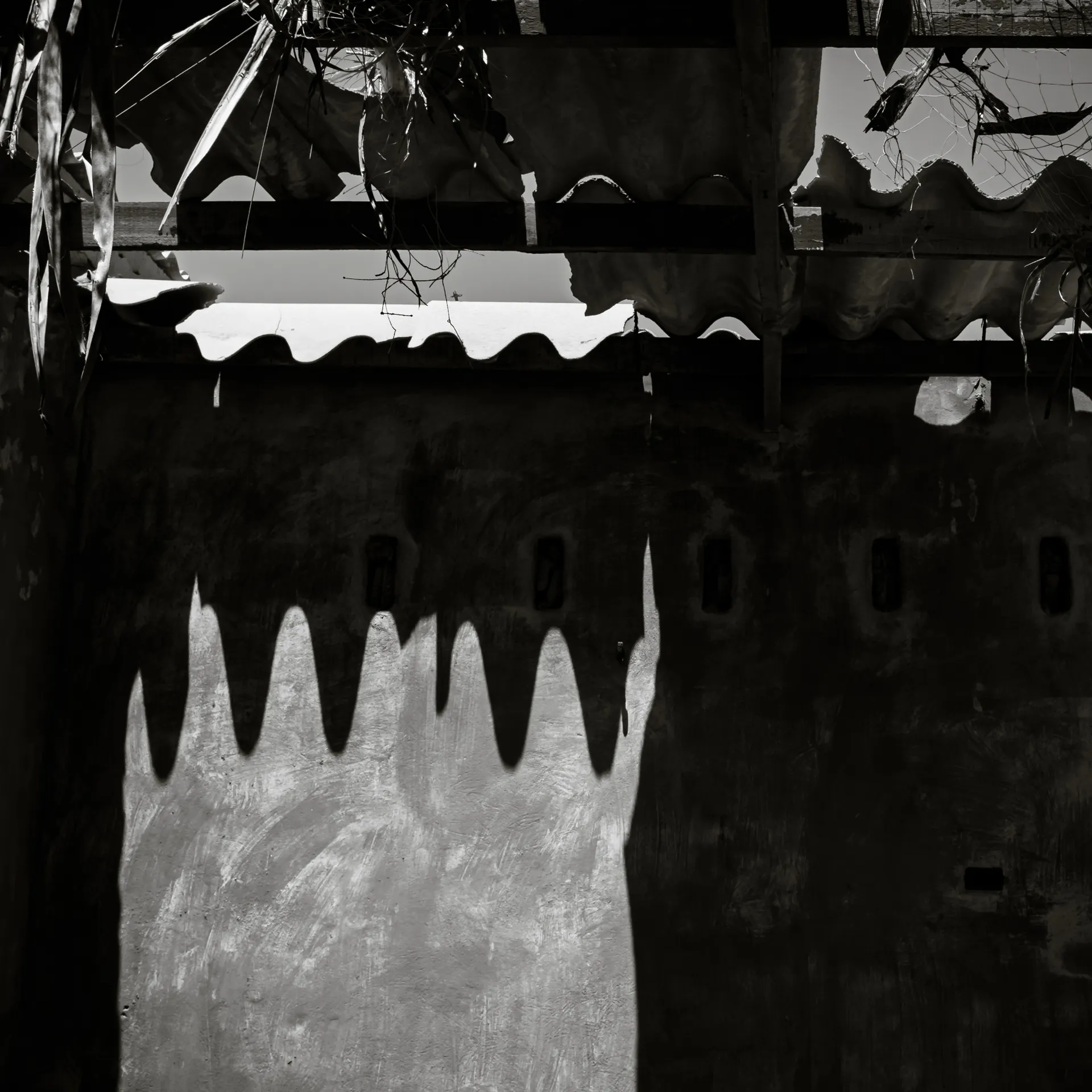
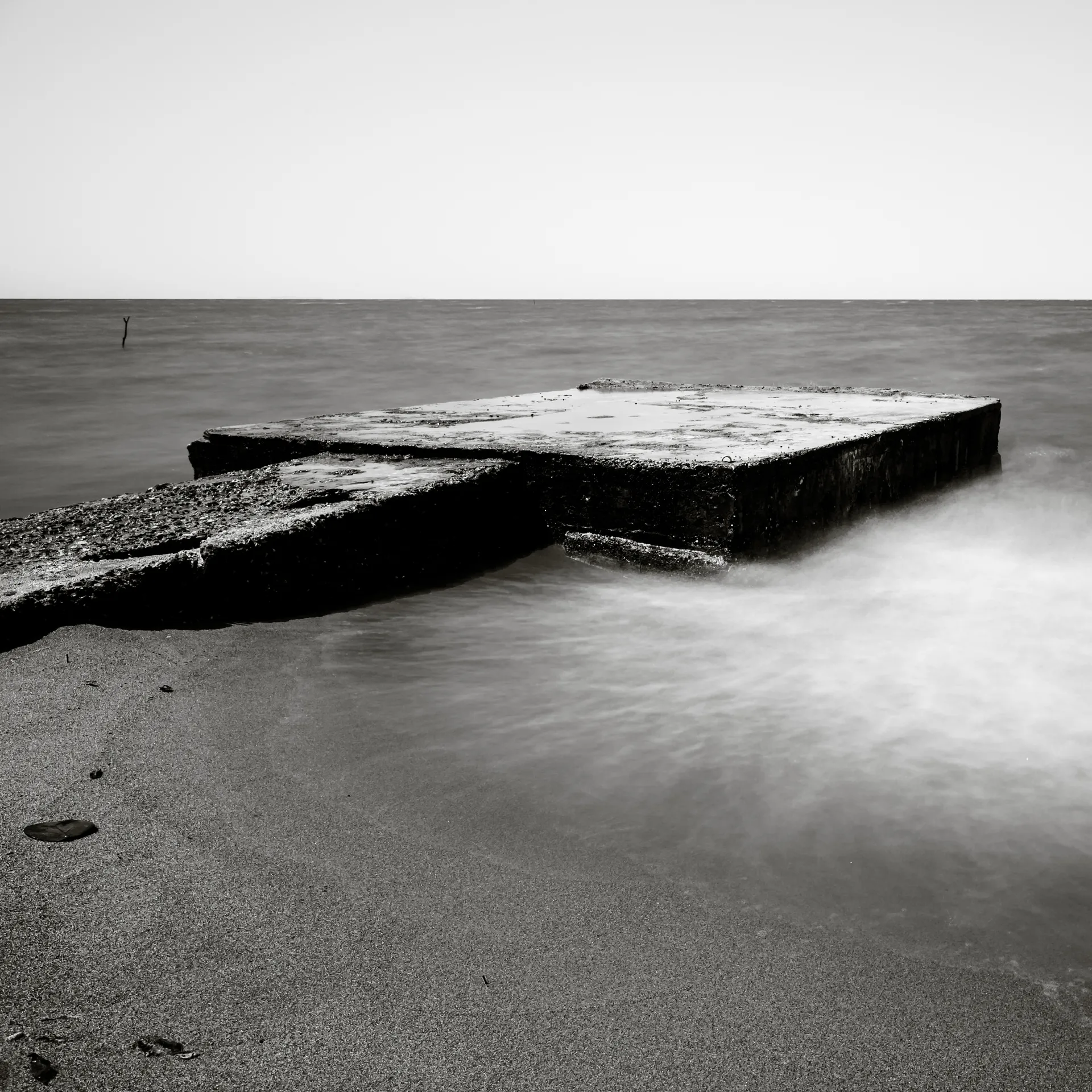
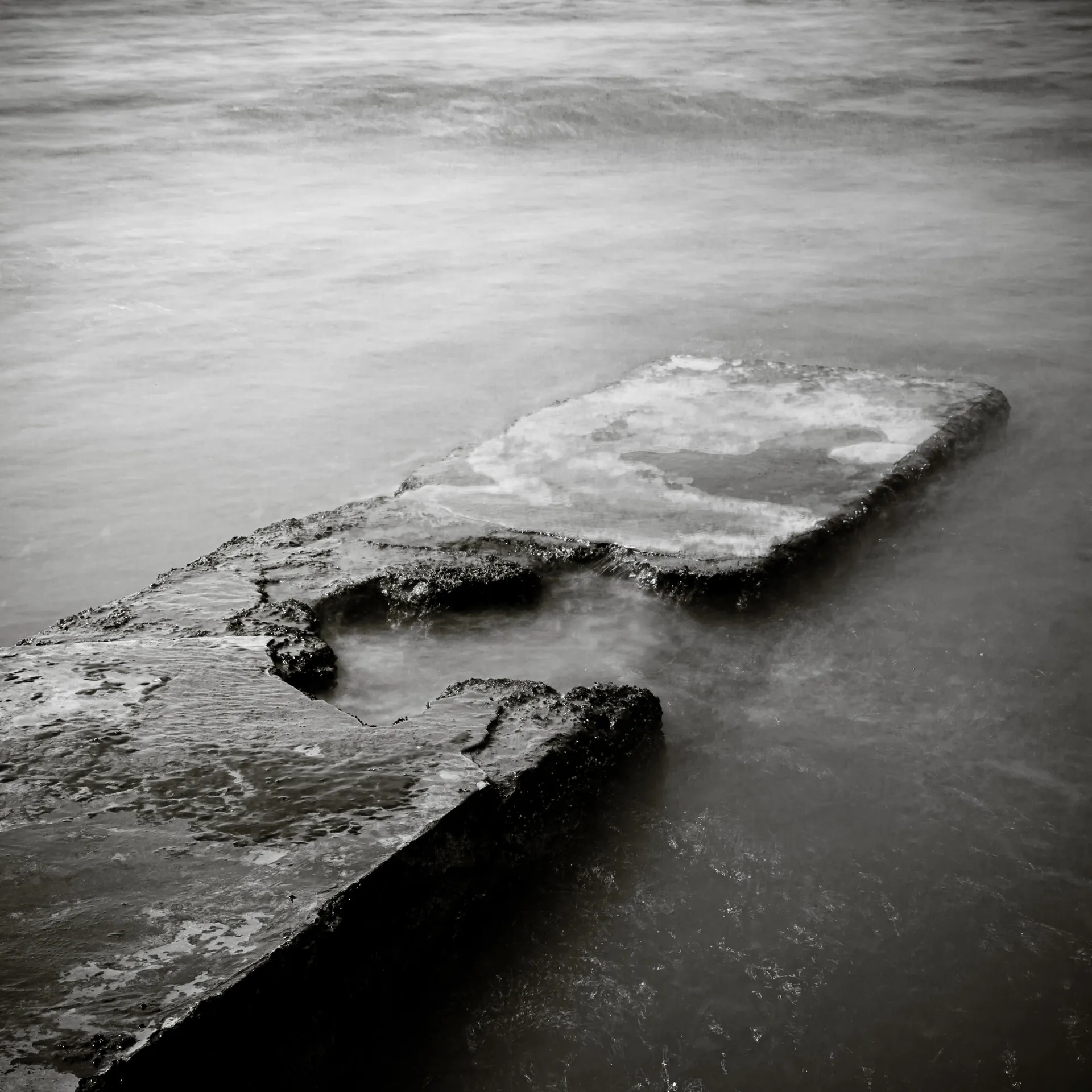
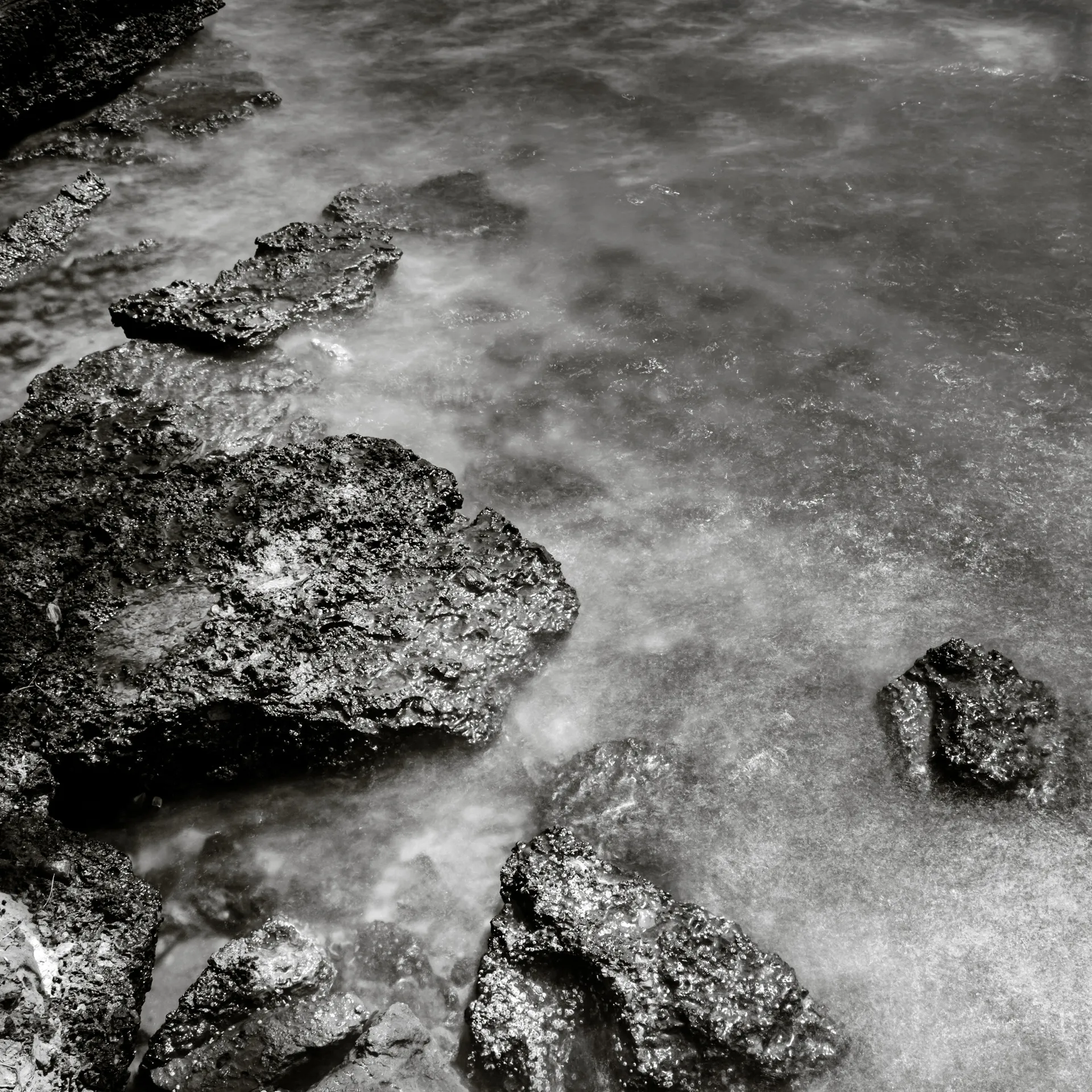
Today the wind writes another story. Grain by grain, the sand has been reclaiming what man once borrowed from it: it slips through doors that no longer have owners, climbs the steps of stairways that lead nowhere, and settles into the corners where laughter once lived. Bare posts rise like witnesses to forgotten fences, and their shadows trace across the dunes a geometry the sun draws and erases each day. Tires sink like fossils of another era, and the sea, patient, wears the concrete down until it becomes stone once more.
Voices are no longer heard; now texture, light and silence speak. Quisiro is not a place in ruins; it is a place in transit, slowly returned to its origin.
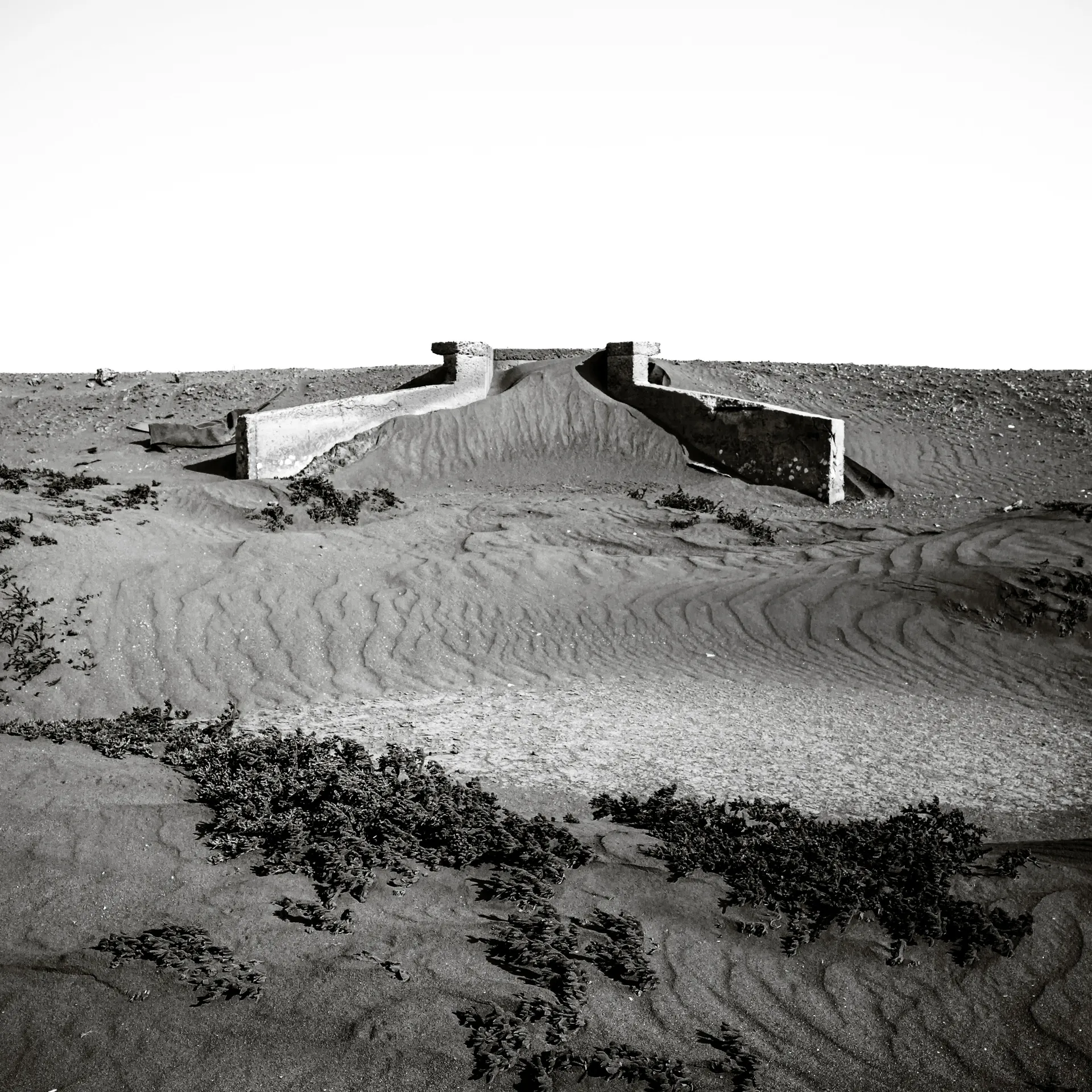
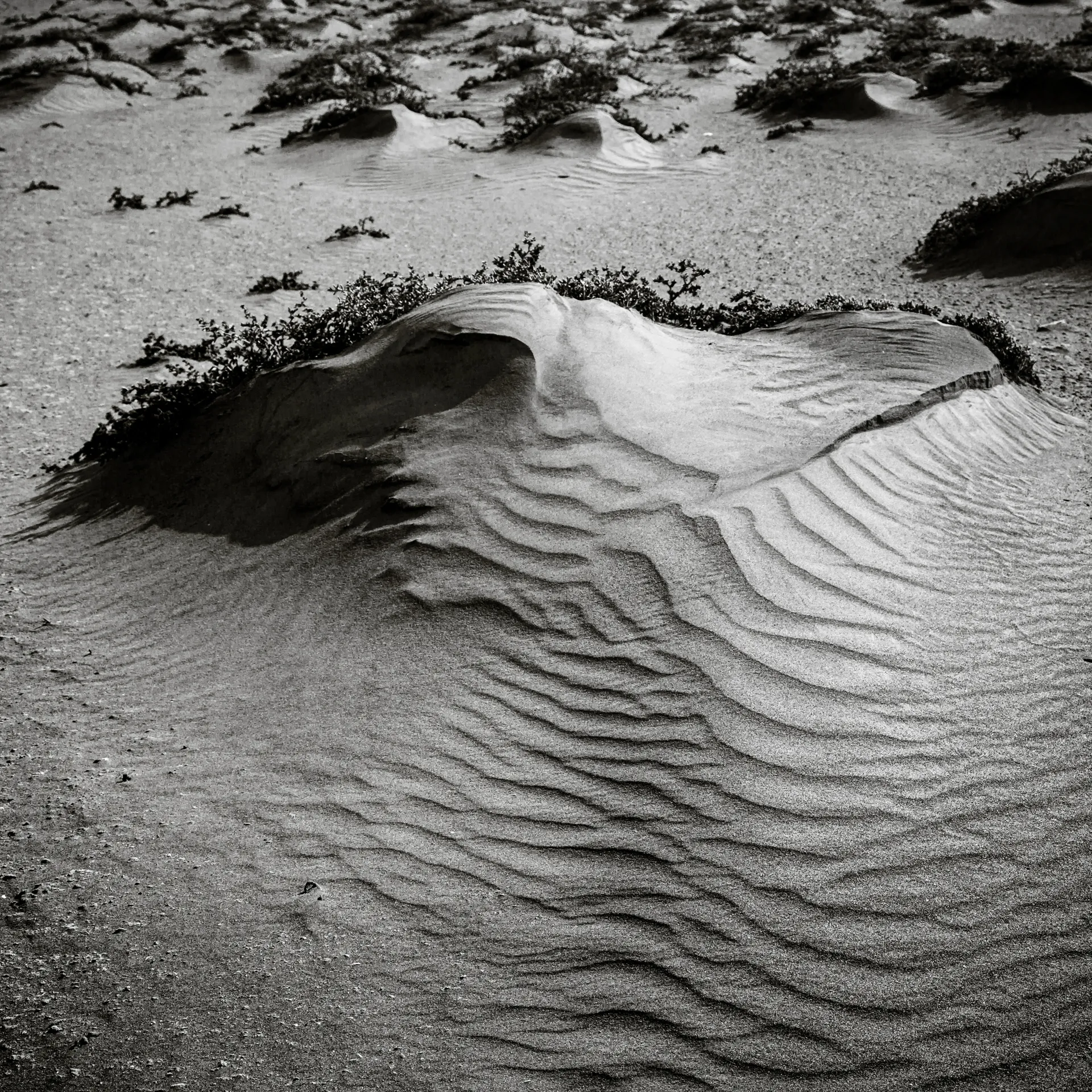
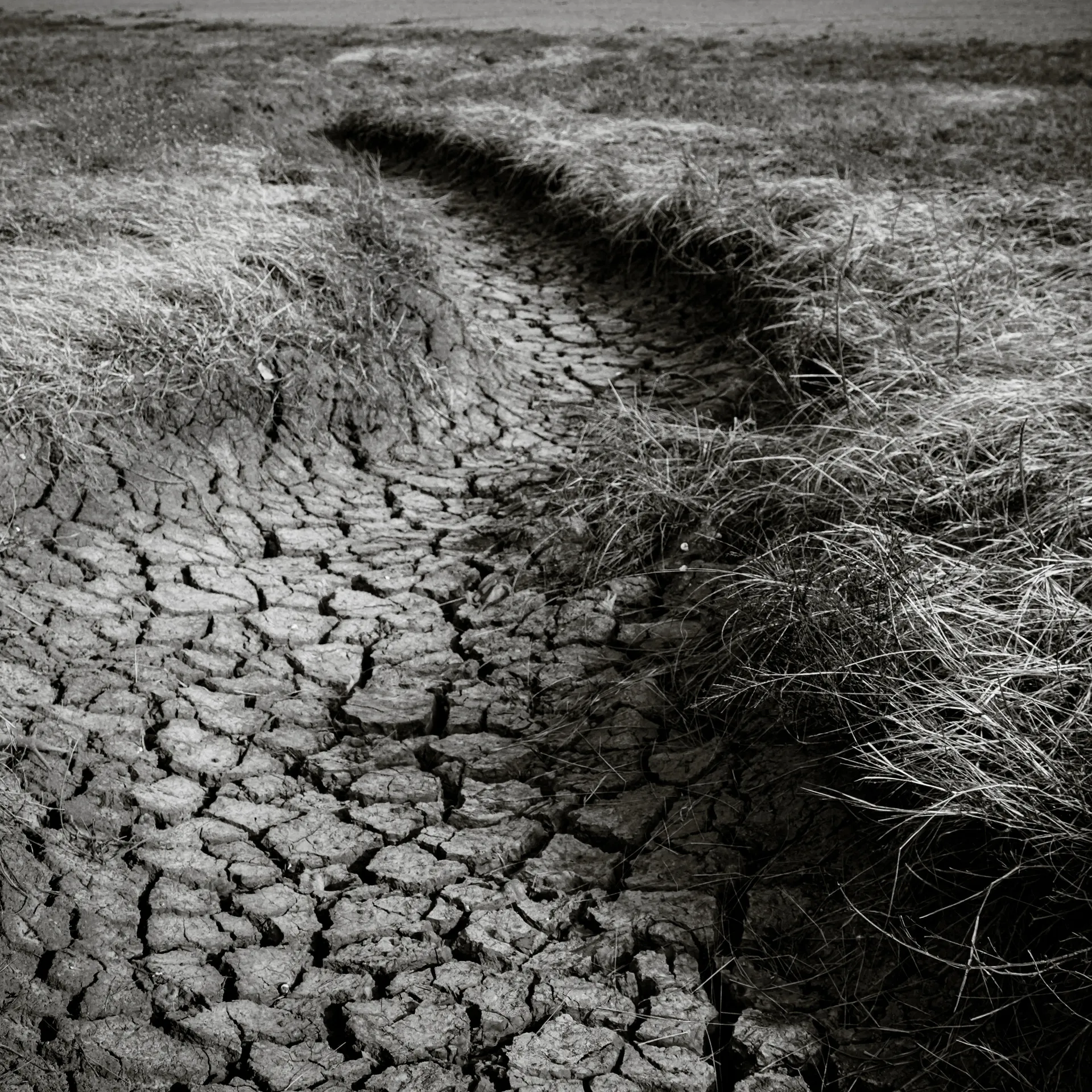
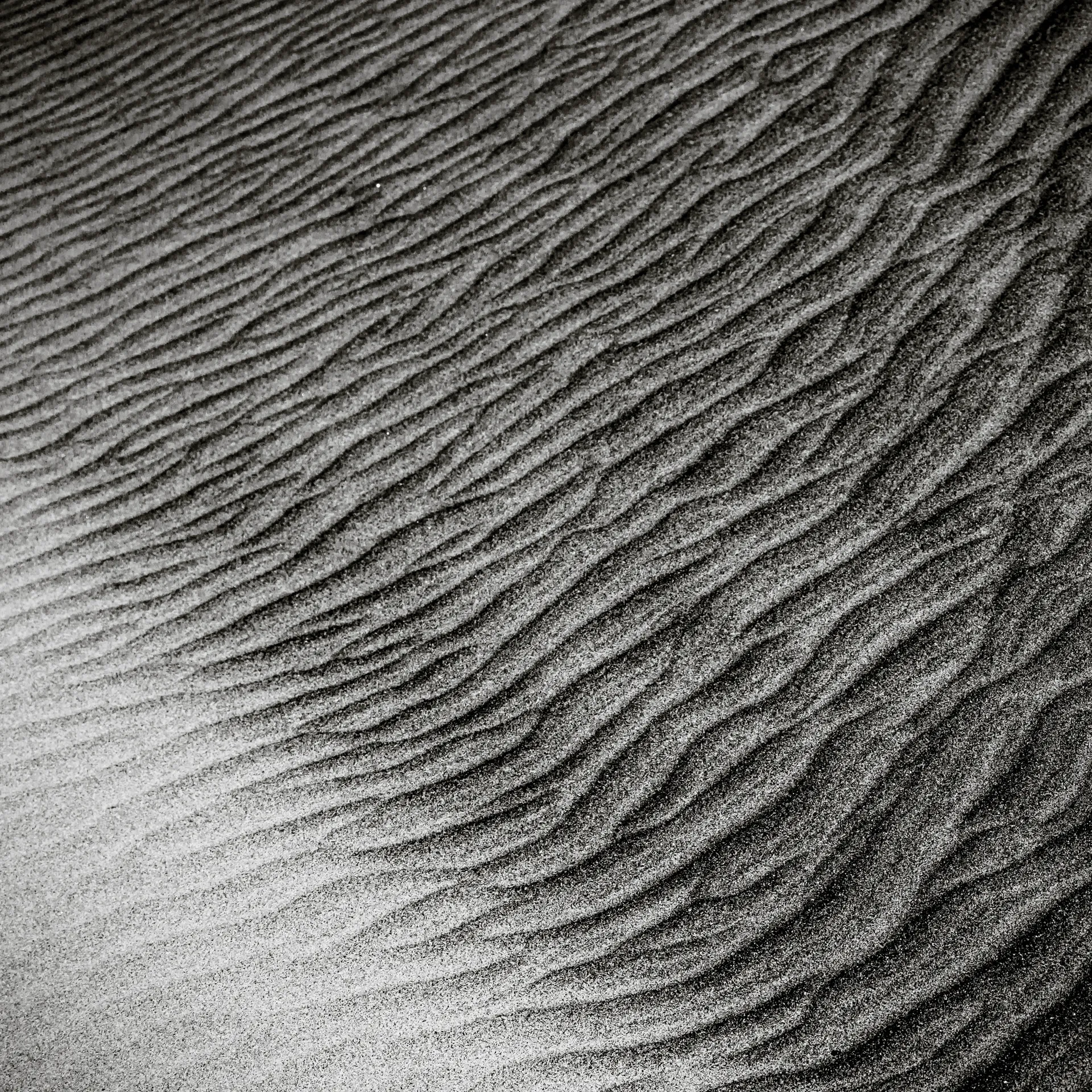
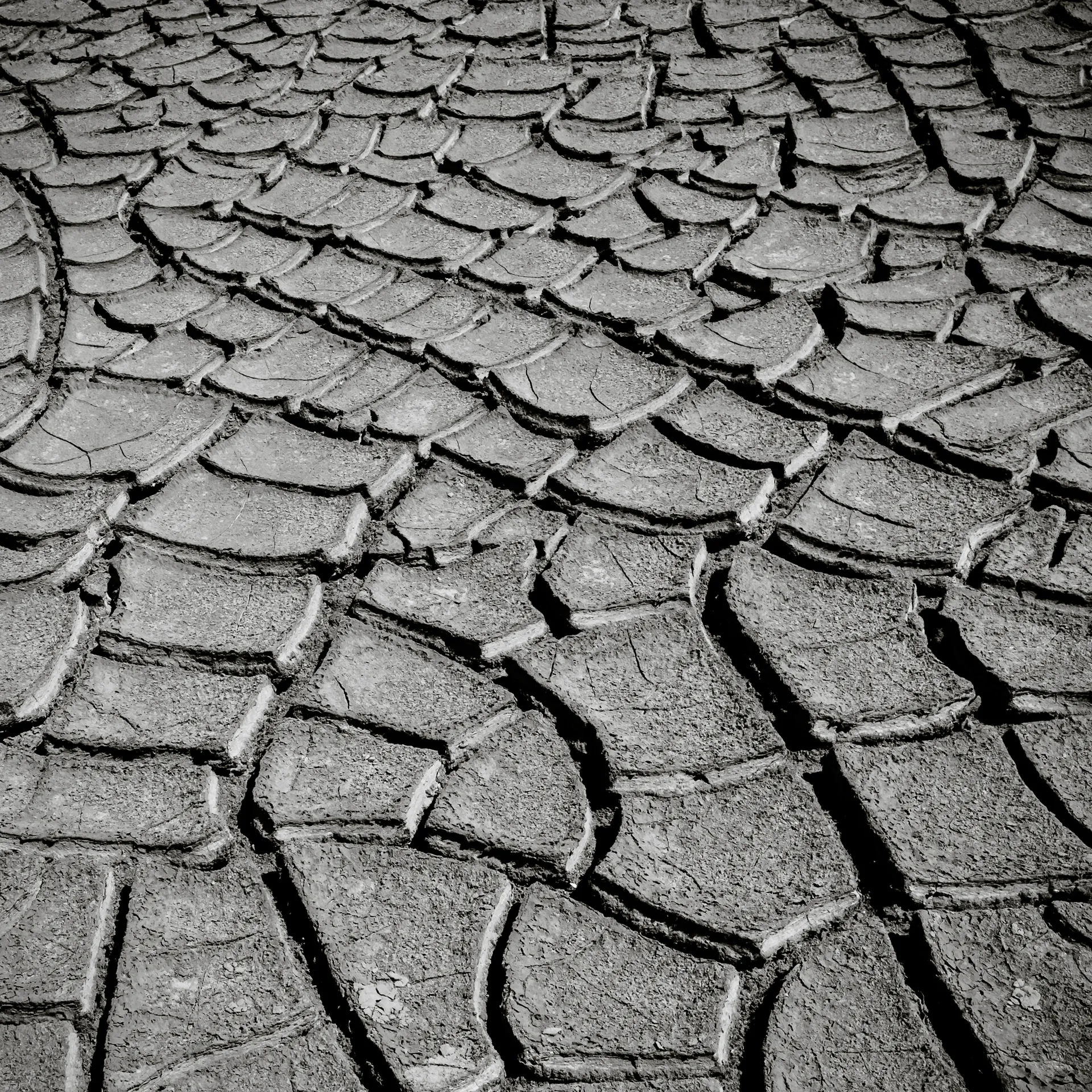
Today the wind writes another story.
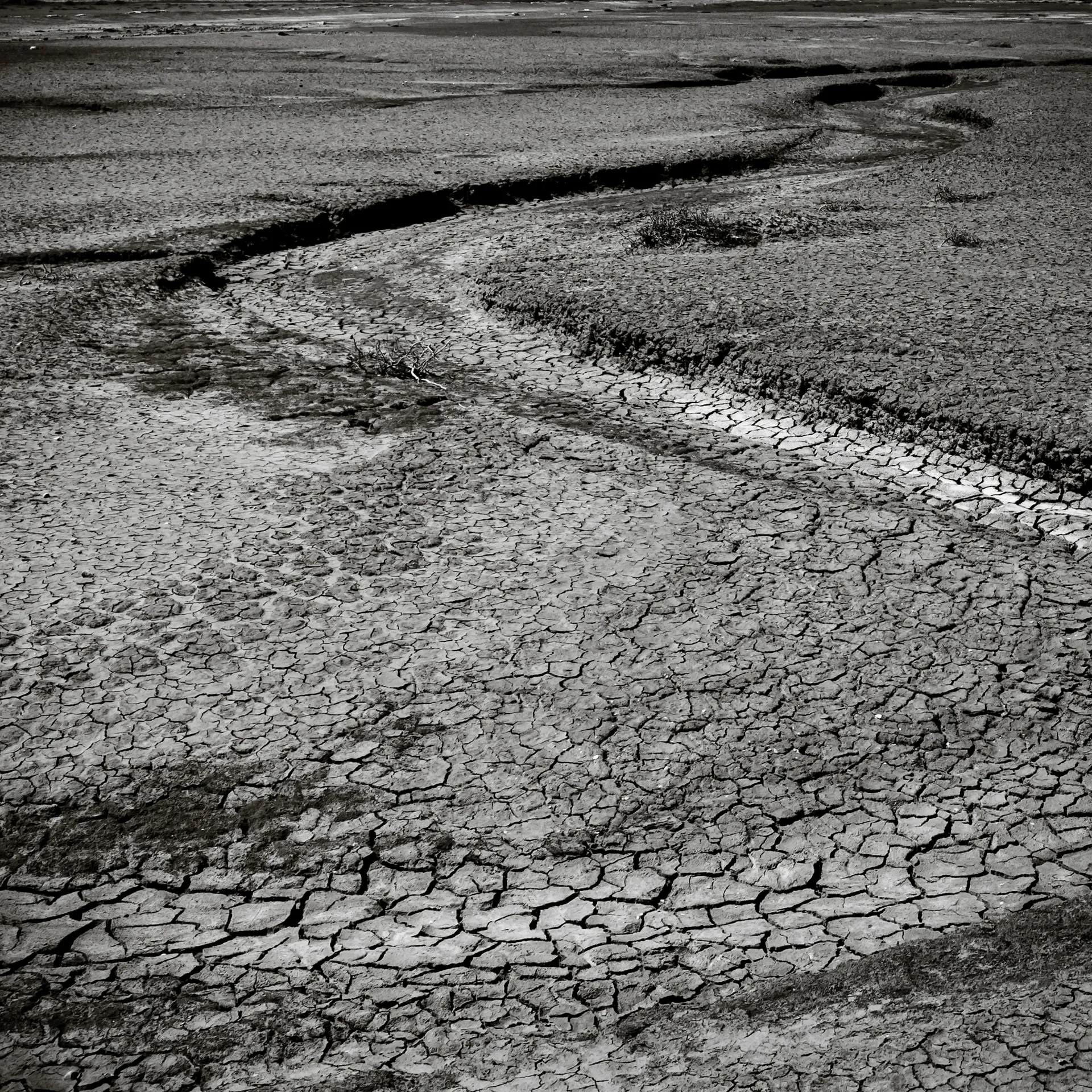
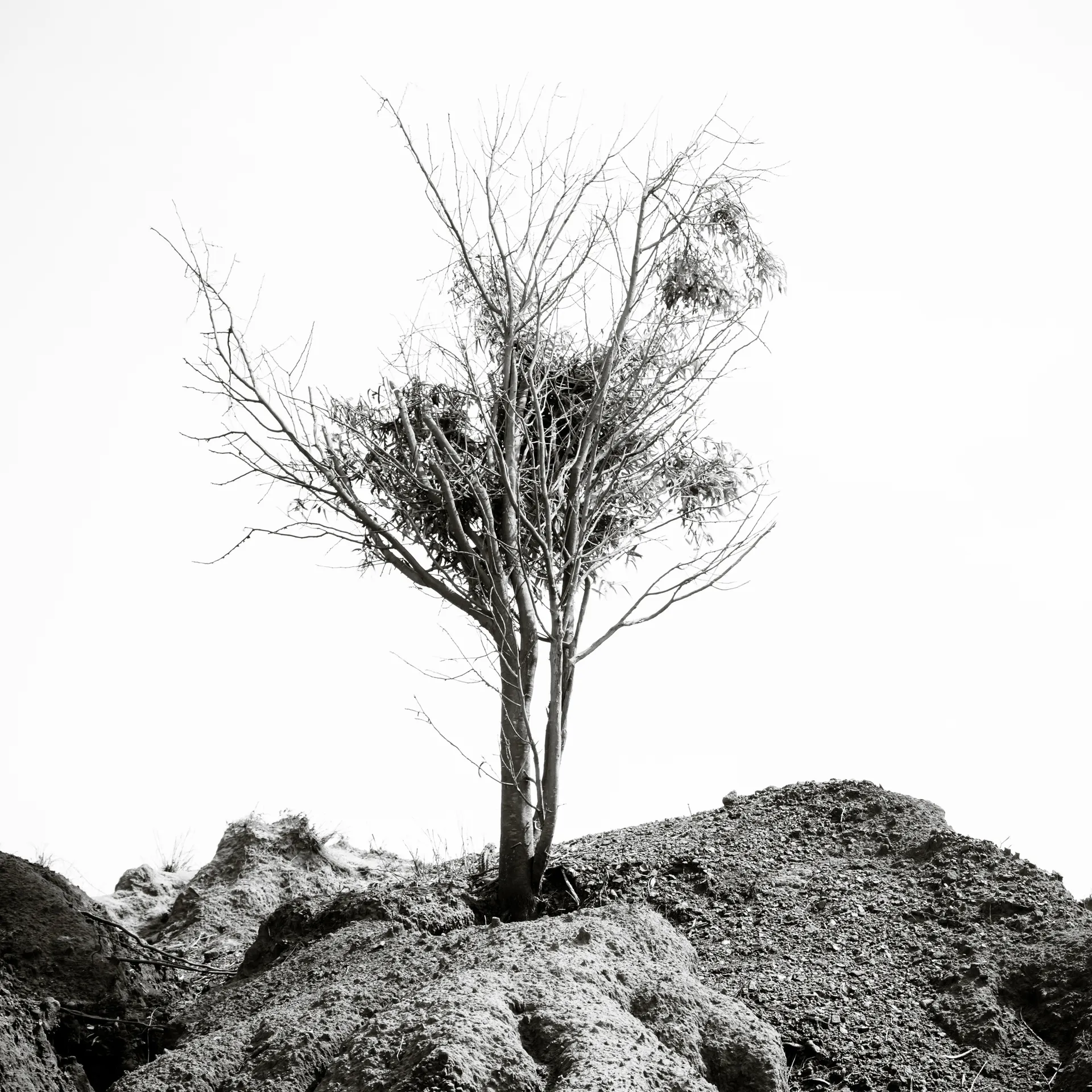
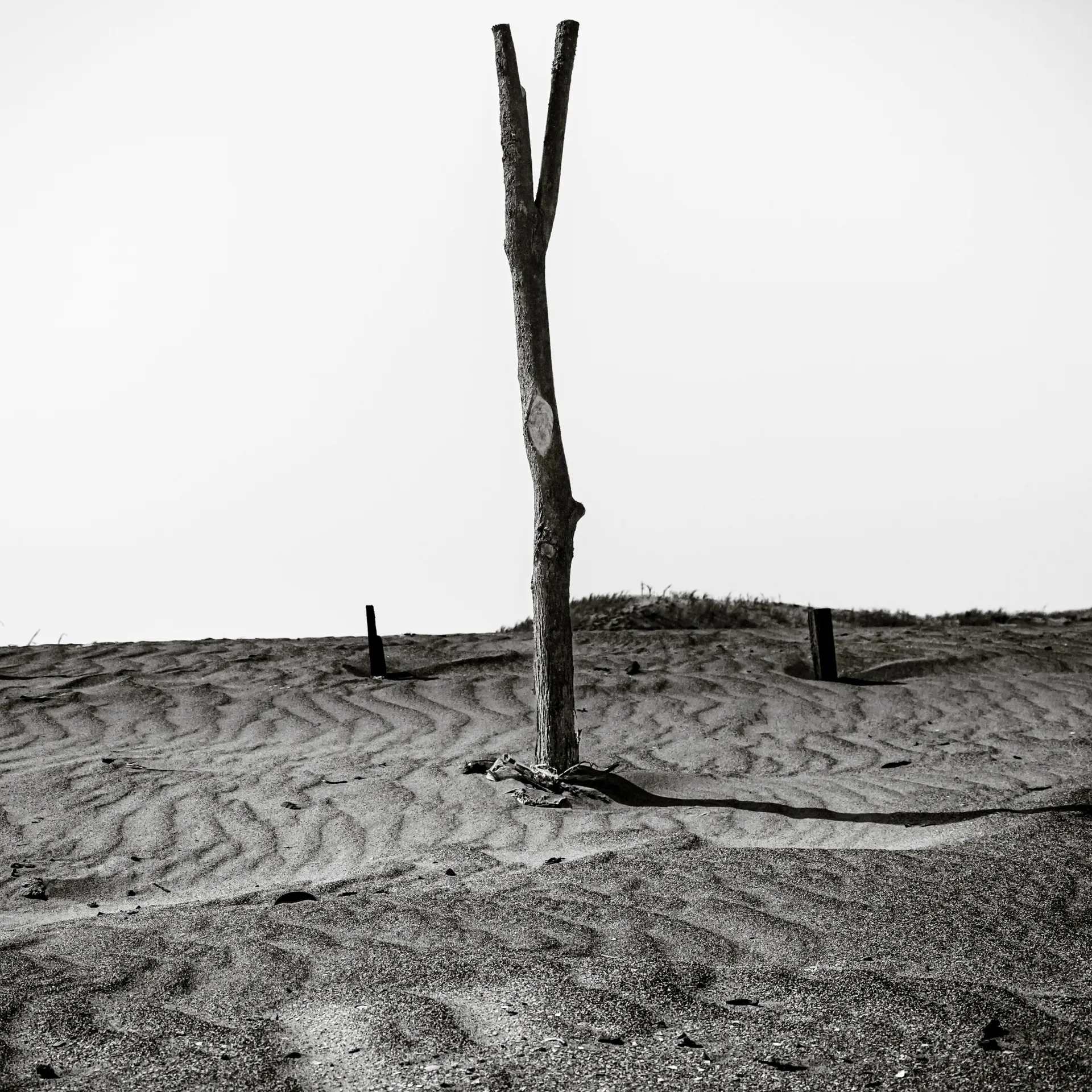
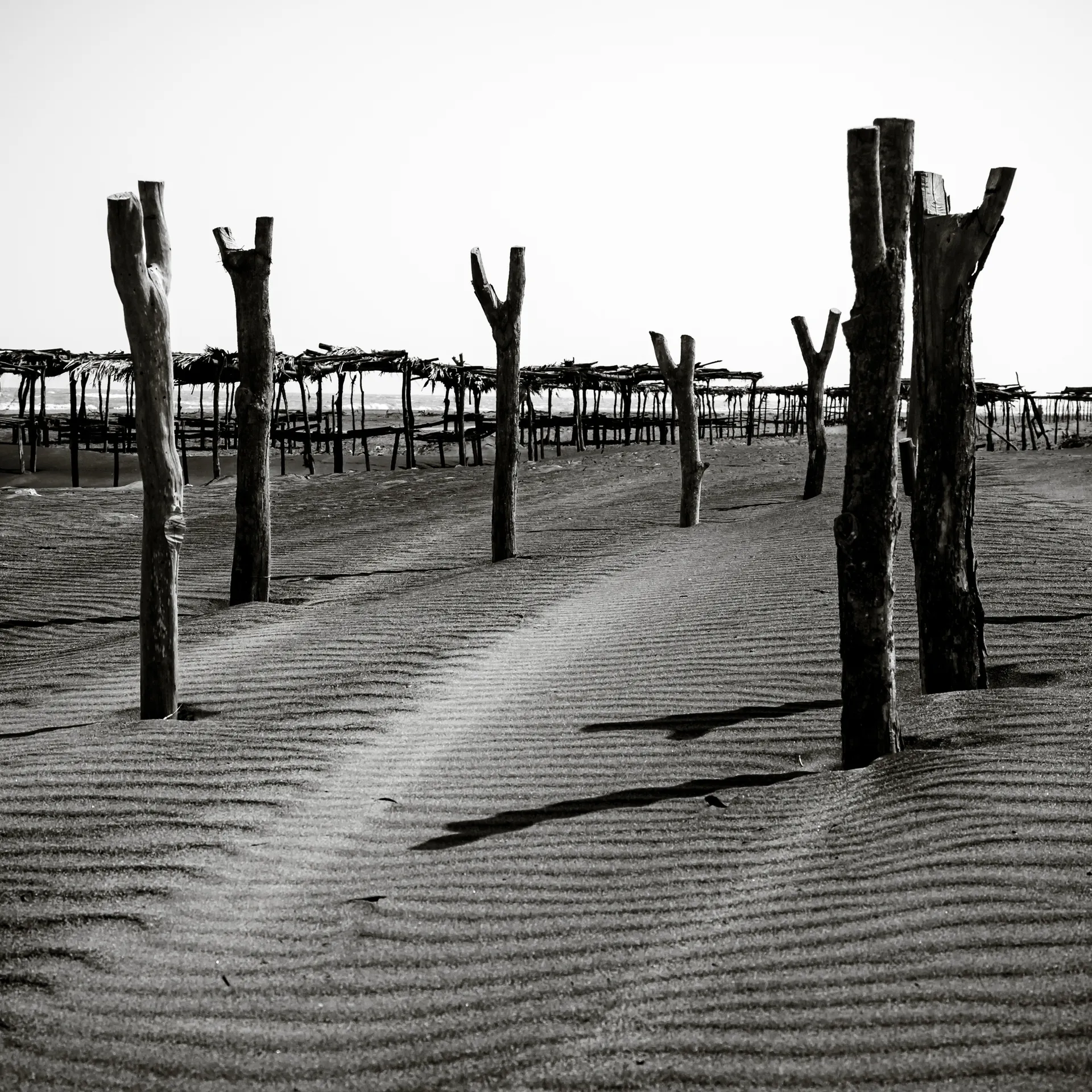
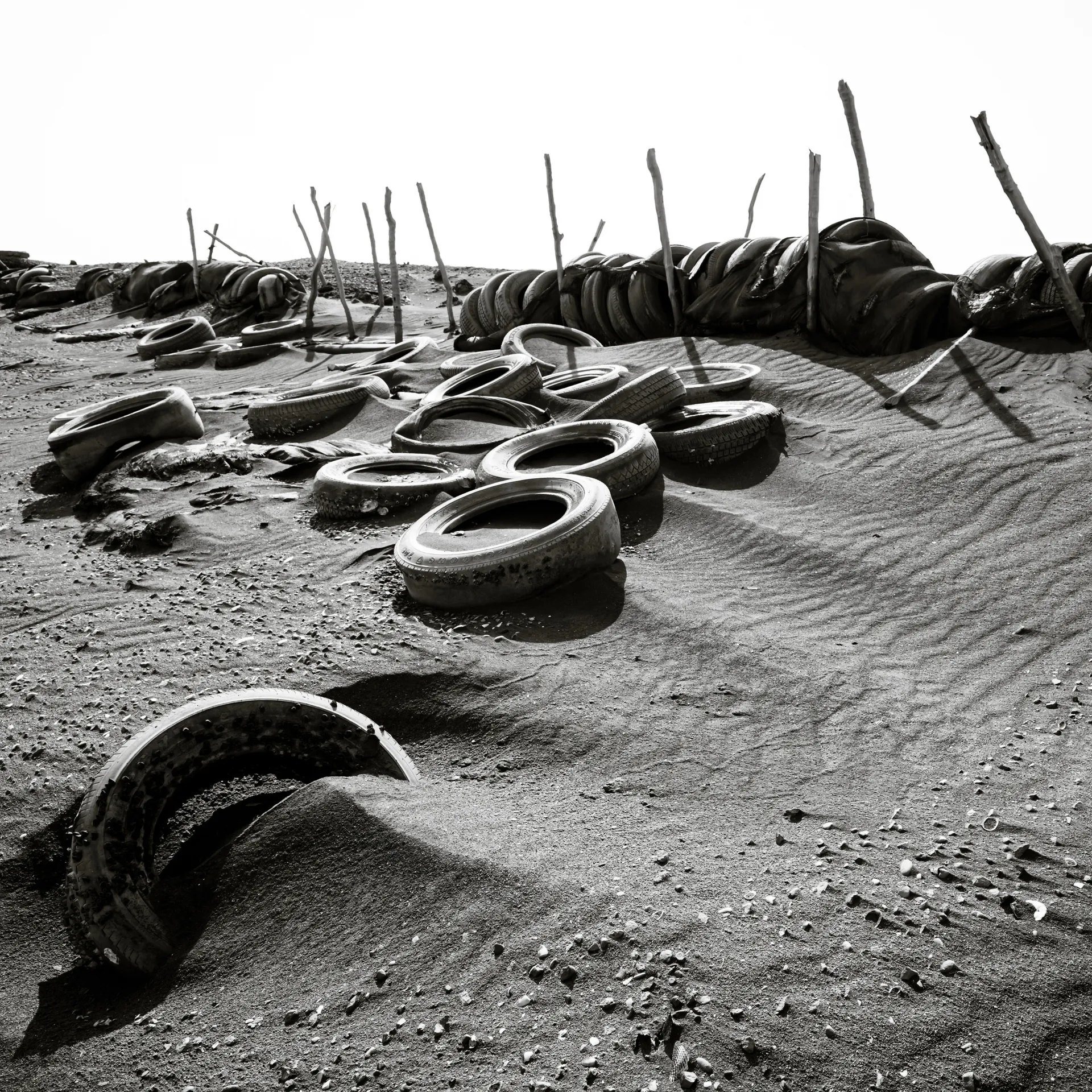
Voices are no longer heard; now texture, light and silence speak.
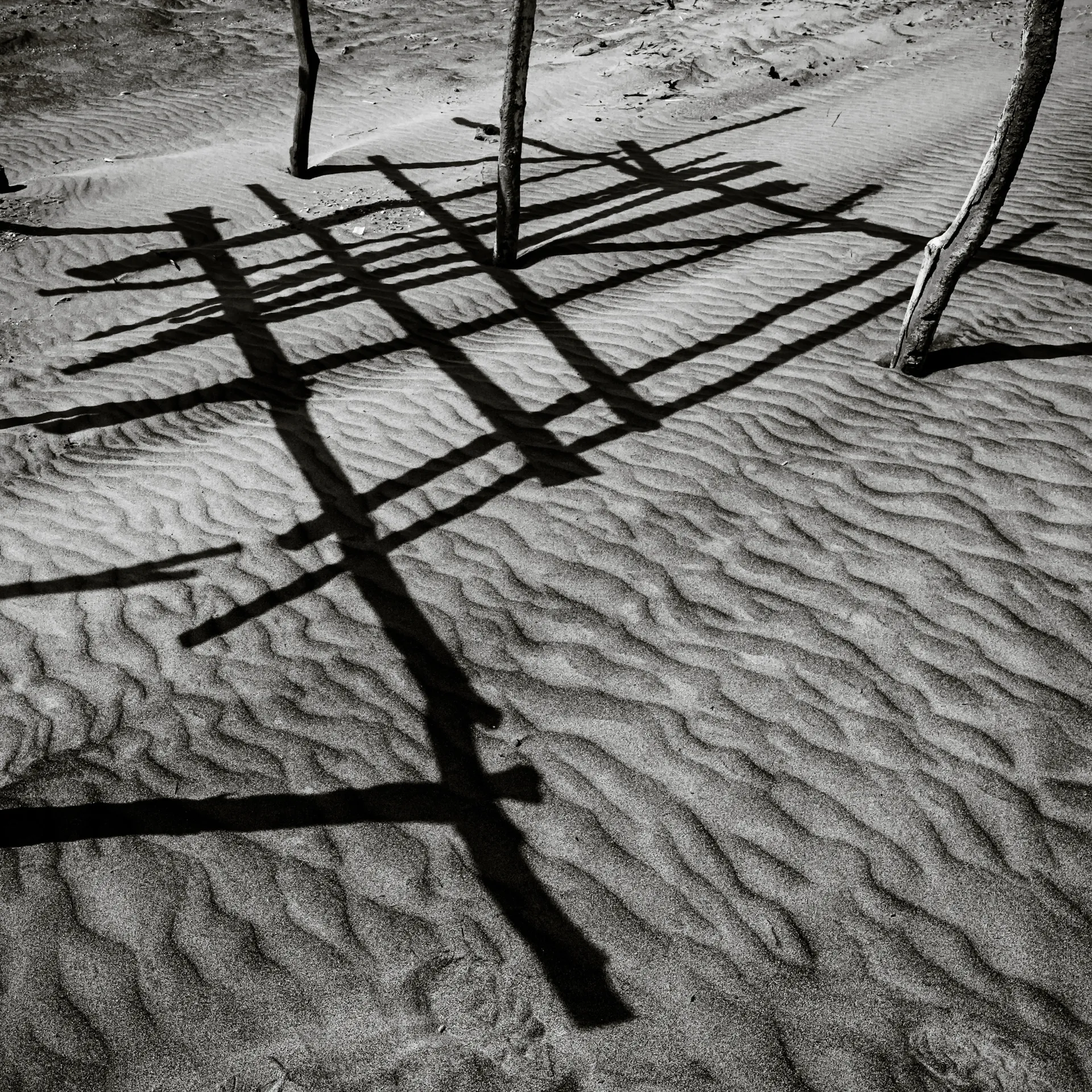
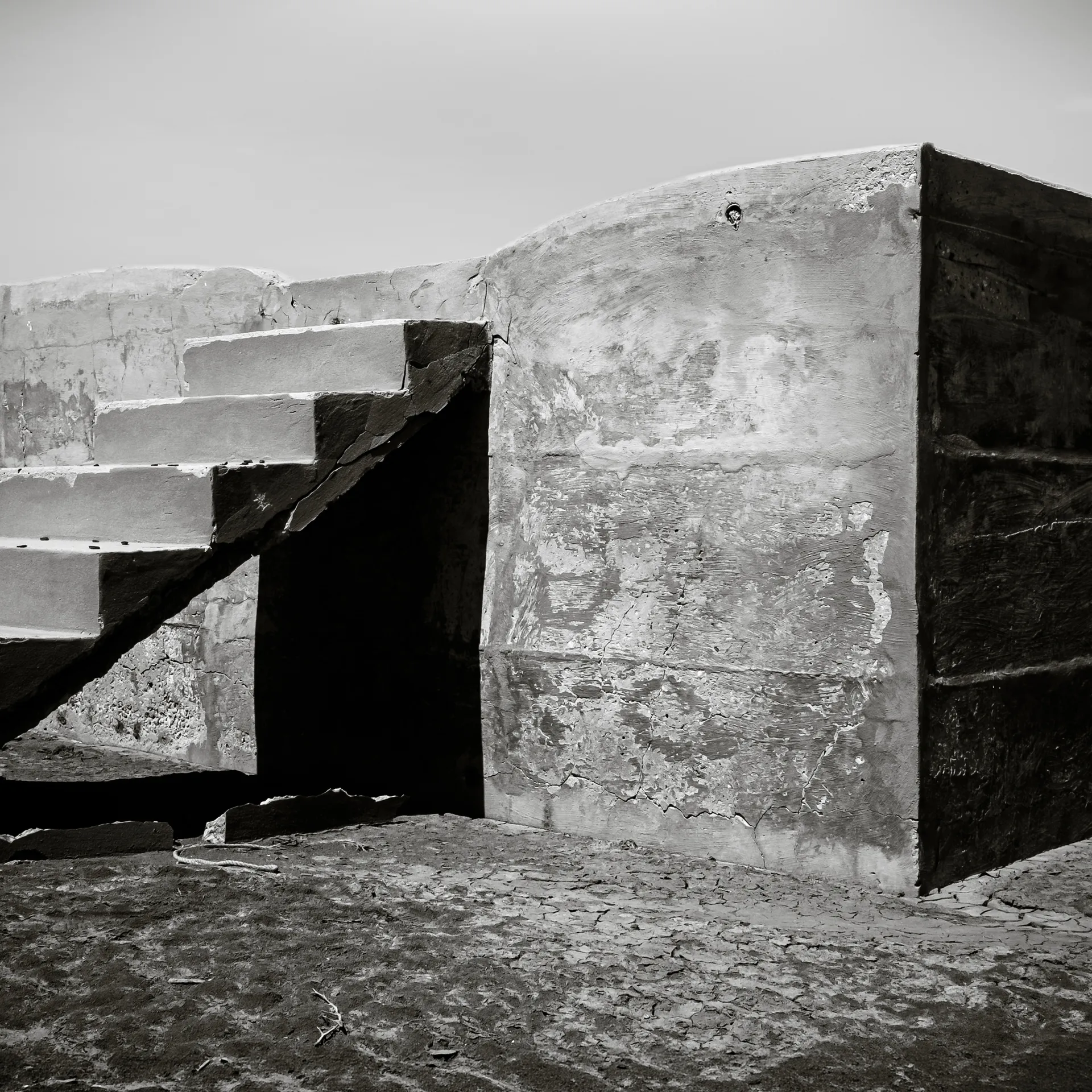
Quisiro is not a place in ruins; it is a place in transit, slowly returned to its origin.
 Next storyLima StreetLove, crowds and color, from the market to the sea